Comprehensive Guide to Furniture Disposal in Canary Wharf
Understanding Furniture Disposal
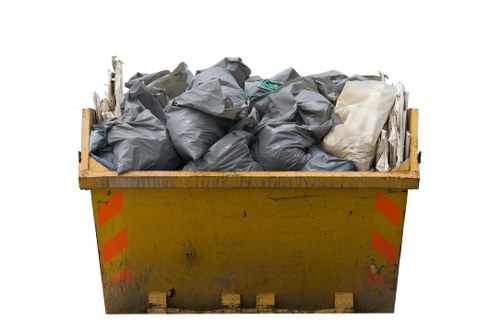
Proper furniture disposal is essential for maintaining a clean and sustainable environment in **Canary Wharf**. Whether you're upgrading your home or relocating, knowing the best methods for discarding old furniture can save you time, money, and effort.
In Canary Wharf, a bustling financial district with limited space, efficient furniture disposal is crucial. Improper disposal can lead to cluttered spaces and environmental harm, making it imperative to follow the right procedures.
There are various ways to dispose of furniture, each with its own set of benefits and considerations. From recycling to donating, understanding these options can help you make informed decisions.
Methods of Furniture Disposal

1. Recycling: Recycling is an eco-friendly way to dispose of old furniture. Many materials used in furniture construction, such as wood, metal, and plastic, can be recycled.
2. Donation: If your furniture is still in good condition, consider donating it to local charities or non-profit organizations in Canary Wharf.
3. Selling: Platforms like online marketplaces or local flea markets offer opportunities to sell used furniture, turning unwanted items into cash.
Local Regulations and Guidelines

Before disposing of furniture in **Canary Wharf**, it's important to familiarize yourself with local regulations. The area has specific guidelines to ensure minimal environmental impact and to promote recycling.
The local council often provides resources and information on approved disposal methods and facilities. Adhering to these guidelines helps maintain the area’s cleanliness and sustainability efforts.
Violating disposal regulations can result in fines or penalties, making it essential to comply with the established rules.
Choosing a Disposal Service

Selecting a reliable furniture disposal service in Canary Wharf can simplify the process. Look for companies that offer comprehensive services, including pickup, recycling, and responsible disposal.
Consider factors such as pricing, service speed, and customer reviews when choosing a disposal service. A reputable company will ensure your furniture is disposed of ethically and efficiently.
Many services also offer additional options like furniture pick-up scheduling, which adds convenience to the disposal process.
Environmental Impact

Furniture disposal has a significant environmental impact. Improper disposal can lead to increased landfill waste and environmental degradation.
By choosing sustainable disposal methods like recycling or donating, you contribute to reducing waste and promoting environmental conservation in Canary Wharf.
Moreover, responsible disposal practices help conserve natural resources and reduce the carbon footprint associated with manufacturing new furniture.
Steps to Dispose of Furniture Responsibly
Disposing of furniture responsibly involves several key steps:
- Assess the Condition: Determine if the furniture is repairable, recyclable, or should be discarded.
- Choose a Disposal Method: Based on the assessment, choose between recycling, donating, selling, or scheduling a pickup.
- Contact Local Services: Engage with local disposal services or charities to arrange for pickup or drop-off.
- Prepare for Disposal: Ensure the furniture is clean and, if necessary, disassembled for easier handling.
- Follow Up: Confirm that the furniture has been disposed of according to your chosen method.
By following these steps, you ensure that your furniture disposal is efficient and environmentally friendly.
Contact us today to learn more about responsible furniture disposal options in Canary Wharf.
Benefits of Proper Furniture Disposal
Engaging in proper furniture disposal offers numerous benefits:
- Environmental Protection: Reduces landfill waste and promotes recycling efforts.
- Space Management: Frees up valuable space in homes and offices.
- Cost Savings: Prevents potential fines and reduces the need for professional clean-up services.
- Community Support: Donating furniture helps those in need and supports local charities.
Adopting responsible disposal practices contributes to a cleaner, more sustainable Canary Wharf.
Book your service now to ensure your old furniture is disposed of correctly and responsibly.
Frequently Asked Questions
Q1: How do I find reliable furniture disposal services in Canary Wharf?
A1: Research local companies, check reviews, and ensure they follow sustainable disposal practices. Recommendations from neighbors and online platforms can also be helpful.
Q2: Can I dispose of large furniture items myself?
A2: While it's possible, large items can be cumbersome and may require special handling. It's often more efficient and safer to use professional disposal services.
Q3: What happens to furniture that's donated?
A3: Donated furniture is usually distributed to those in need, sold to fund charitable activities, or refurbished for further use, ensuring minimal waste.
For more information on furniture disposal in Canary Wharf, feel free to contact us today.