Improper Waste Disposal: A Growing Environmental Threat
In today's rapidly developing world, the concerns surrounding improper waste disposal have never been more pressing. As urban areas expand and industrial activities increase, the challenges posed by inefficient waste management are rising, affecting our health, ecosystems, and planet. This article explores the significant impact of improper disposal of waste and the urgent need to implement effective solutions.
The Types of Improper Waste Disposal
The term improper waste disposal encompasses various methods by which waste is disposed of inappropriately, leading to harmful effects on the environment. These methods include:
- Illegal dumping, where waste is discarded in unauthorized areas.
- Open burning of waste, releasing toxic chemicals into the air.
- Inadequate landfill management causing leachate contamination.
- Improper industrial waste discharge into water bodies.
Environmental Impacts of Improper Waste Disposal
Improper waste disposal has far-reaching environmental impacts that threaten ecosystems globally. Here are the key consequences:
1. Pollution of Land and Water
One of the most immediate impacts of improper waste disposal is the pollution of soil and water sources. Hazardous chemicals and toxins from waste leach into the ground, contaminating groundwater aquifers and rendering agricultural lands barren. Additionally, waste dumped in water bodies leads to eutrophication, harming aquatic life and disrupting ecological balance.
2. Air Quality Degradation
The open burning of waste and inadequate management of landfills lead to the release of harmful pollutants such as carbon monoxide, methane, and sulfur dioxide. These emissions contribute to air pollution, exacerbating respiratory diseases and increasing the risk of climate change by enhancing greenhouse gas concentrations.
3. Wildlife Threats
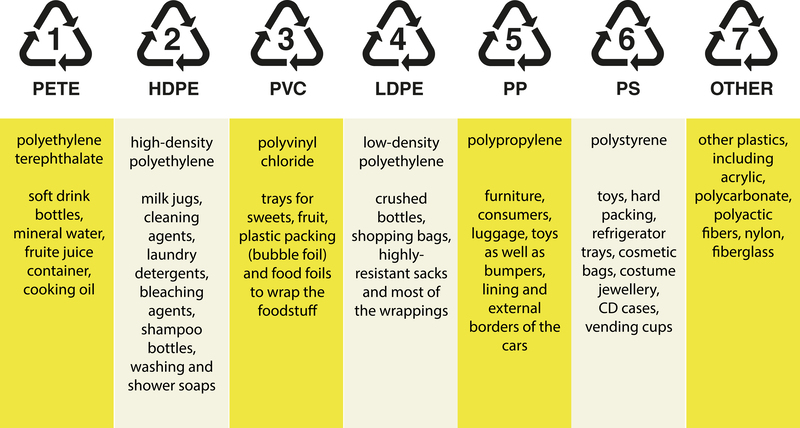
Improper disposal of plastics and other non-biodegradable materials poses severe risks to wildlife. Animals often mistake these materials for food, leading to ingestion and fatal consequences. Entanglement in plastic waste is another threat, which can cause injury or death to marine and terrestrial animals.

Human Health Concerns
The effects of improper waste management extend to human health, presenting numerous risks that demand immediate attention:
1. Spread of Diseases
Unmanaged waste serves as a breeding ground for pests and pathogens. Areas with high waste accumulation increase the risk of diseases such as dengue, cholera, and malaria. These health issues place a significant burden on healthcare systems and reduce quality of life.
2. Toxic Exposure
Individuals living near poorly managed waste sites are often exposed to toxic substances, leading to conditions like cancer, neurological disorders, and reproductive issues. Airborne pollutants from waste contribute to respiratory problems, impacting vulnerable populations the hardest.
Economic Implications
Beyond environmental and health impacts, improper waste disposal also carries economic repercussions:
- Increased cleanup costs, diverting funds from other essential services.
- Loss of tourism revenue due to polluted landscapes and beaches.
- Health-related expenses owing to exposure-related diseases.
Effective Solutions and Strategies
Given the profound implications of improper waste management, adopting effective strategies is crucial. Here are some potential solutions:
1. Strengthening Legislation and Enforcement
Governments must establish stricter regulations on waste disposal and enhance enforcement mechanisms. Penalties for illegal dumping should be stringent enough to deter such activities, ensuring compliance and promoting environmental responsibility.
2. Public Awareness and Education
Educating the public about the risks and consequences of improper waste disposal can lead to behavioral changes. Awareness campaigns should highlight the benefits of proper waste segregation, recycling, and composting, fostering a culture of sustainability.
3. Investment in Waste Management Infrastructure
Investing in modern waste management facilities, such as recycling centers and waste-to-energy plants, can improve waste processing efficiency. Sustainable technologies and innovations should be prioritized in designing new infrastructure projects.
4. Community-Led Initiatives
Community involvement plays a vital role in addressing waste management issues. Encouraging local communities to participate in clean-up drives and waste reduction programs can lead to sustainable practices at a grassroots level.
5. Corporate Responsibility
Corporations must adopt sustainable production methods and commit to managing industrial waste responsibly. Initiatives like extended producer responsibility (EPR) can be effective in minimizing the environmental footprint of businesses.
Conclusion
Improper waste disposal is indeed a growing environmental threat that affects every corner of the globe. Addressing this issue requires a collective effort from individuals, governments, and private sectors to implement effective waste management practices. By fostering a culture of responsibility and sustainability, we can mitigate the adverse effects of waste and ensure a healthier planet for future generations.
Tackling improper waste disposal is not just an environmental necessity but a social and economic imperative. As we continue to strive for a world where waste is managed efficiently and sustainably, our commitment today will determine the wellbeing of our planet tomorrow.