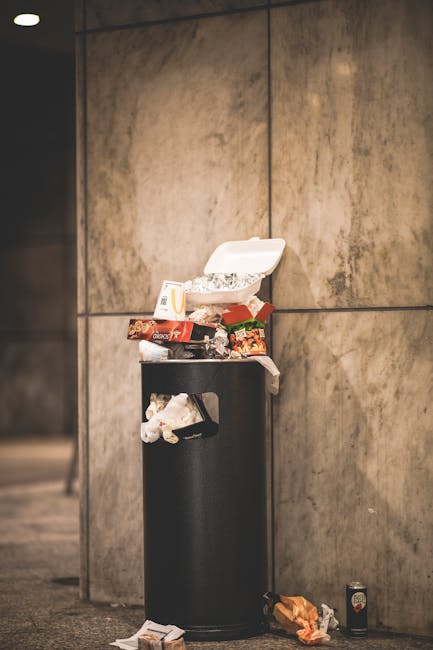
E14 balcony rubbish disposal tips for West India Quay flats: a practical, local guide
If you live in a West India Quay flat, you already know the balcony can be a blessing and a burden. It is lovely for a morning coffee, less lovely when old boxes, broken bags, plant pots, or random bits of clutter start building up outside. This guide to E14 balcony rubbish disposal tips for West India Quay flats is here to make the job feel manageable, safe, and a lot less awkward. We will look at what counts as balcony rubbish, why it matters, the easiest ways to clear it, and how to avoid the little mistakes that turn a tidy-up into a nuisance. Truth be told, balcony waste can get messy quickly in a high-rise setting. But it does not have to stay that way.
Table of Contents
- Why E14 balcony rubbish disposal tips for West India Quay flats Matters
- How E14 balcony rubbish disposal tips for West India Quay flats Works
- Key Benefits and Practical Advantages
- Who This Is For and When It Makes Sense
- Step-by-Step Guidance
- Expert Tips for Better Results
- Common Mistakes to Avoid
- Tools, Resources and Recommendations
- Law, Compliance, Standards, or Best Practice
- Options, Methods, or Comparison Table
- Case Study or Real-World Example
- Practical Checklist
- Conclusion
- Frequently Asked Questions
Why E14 balcony rubbish disposal tips for West India Quay flats Matters
Balconies in West India Quay flats are often compact, visible, and close to neighbouring homes. That combination changes the rules a bit. A single bin bag left outside for too long can create smell, attract pests, and become a problem for the flat below when the weather turns. If the wind picks up, even light packaging can travel further than you would expect. And yes, it tends to happen on the one day you forgot to bring washing in.
There is also the social side of it. In a dense residential block, small habits are noticed. Keeping balcony rubbish under control shows respect for shared spaces, concierge teams, neighbours, and building rules. That matters in practical terms, but it also matters for peace of mind. You can enjoy the balcony again instead of looking at a growing pile of "I'll deal with it later" items.
Another reason this topic deserves proper attention is that balcony rubbish is rarely just one thing. It is often mixed waste: cardboard, food packaging, broken household items, old planters, packaging foam, small bits of furniture, or bags of general waste from a clear-out. Mixed waste is harder to manage than a single recycling bag, which is why a clear system helps. Once you have a routine, the job becomes far less annoying.
Expert summary: Balcony rubbish is easiest to handle when you treat it like a mini clear-out, not a last-minute bin run. Sort first, bag properly, move waste safely, and never let loose items sit outside overnight if you can avoid it.
How E14 balcony rubbish disposal tips for West India Quay flats Works
The basic idea is simple: identify what is on the balcony, separate anything reusable or recyclable, then move the remaining waste through the right disposal route without creating a mess or a nuisance. In practice, there are a few decisions to make.
First, consider whether the item is light, bulky, sharp, damp, or potentially hazardous. Cardboard and soft packaging can be flattened and bagged. Broken plant pots, chairs, side tables, or damaged storage crates may need careful handling. If something is dirty, mouldy, or leaking, it should be sealed before you move it through communal areas. Nobody wants a trail of sticky residue in the lift. Let's face it, that is the kind of thing you remember for weeks.
Second, think about access. Many flats at West India Quay sit in managed buildings with lifts, shared corridors, or concierge arrangements. That means you may need to move waste at a sensible time, use the right lift, or avoid blocking common areas. If you are dealing with more than a couple of bags, planning the route first saves time and stress.
Third, decide whether the waste can go in your regular bins, recycling, or a specialist waste removal service. A small amount of everyday rubbish may be easy enough to carry down yourself. A bigger balcony declutter, especially after a few months of buildup, can be easier to tackle as a single collection. If you are comparing disposal options for a flat clearance or mixed household waste, pages such as flat clearance and waste removal can be useful starting points.
Key Benefits and Practical Advantages
There is a real difference between a balcony that is used and a balcony that has become storage. Clearing rubbish properly brings benefits that go beyond appearances. Here are the main ones.
- Better safety: Fewer trip hazards, fewer sharp edges, and less risk of items being blown loose.
- Less smell and pest risk: Food packaging and damp waste are less likely to create problems if removed promptly.
- More usable space: A clean balcony feels bigger straight away. You may even use it again.
- Less pressure on communal areas: Moving waste in a planned way reduces the chance of spills or blocked corridors.
- Improved property presentation: If you rent, own, or manage a flat, a tidy balcony supports the overall impression of the home.
- Better recycling outcomes: Separating cardboard, plastics, metals, and reusable items at the start prevents avoidable contamination.
There is also a quieter benefit: reduced mental clutter. Anyone who has stood at the balcony door thinking "I should really deal with that pile" knows the feeling. One small clear-up can change the mood of the whole flat. You notice the light again. You hear less rustling plastic. The space breathes a bit.
Who This Is For and When It Makes Sense
This guidance is for anyone living in or managing flats around West India Quay, particularly if your balcony has become a landing zone for everyday waste, packaging, or leftover items from a home project. It is also useful if you are preparing for guests, ending a tenancy, or simply trying to stay on top of clutter before it becomes a bigger job.
It makes sense if you recognise any of these situations:
- you have bags or boxes sitting outside because the kitchen bin is full;
- you have old chairs, broken planters, or worn-out balcony furniture to remove;
- you are doing a seasonal tidy before spring, summer, or the start of winter;
- you need to avoid leaving waste in communal hallways;
- you want a cleaner balcony without making multiple trips up and down stairs;
- you are trying to keep recycling separate from general rubbish.
Landlords and letting agents may also find this relevant because balcony misuse can quickly become a maintenance or presentation issue. And if you are a busy resident with work, commuting, or family life, there is nothing wrong with choosing the simplest route. Nobody gets a prize for making rubbish removal harder than it needs to be.
Step-by-Step Guidance
Here is the practical approach that works best in real life. Nothing fancy. Just a clear sequence that keeps things tidy and safe.
1. Empty the balcony in categories
Start by separating the contents into broad groups: general waste, recycling, reusable items, bulky items, and anything potentially hazardous. Do not overthink it. A quick first pass is enough. The goal is to stop everything from becoming one giant mixed pile.
2. Remove anything that should not stay outdoors
Food waste, damp cardboard, loose plastics, and anything with sharp edges should be moved inside or bagged for immediate disposal. Wet waste can smell surprisingly fast in a sheltered balcony, especially after a warm day. If you have ever opened the door on a still evening and got that faint sour smell, you know exactly why this matters.
3. Flatten and compress what you can
Cardboard boxes, packaging inserts, and empty containers should be broken down where possible. This saves space and makes the waste easier to carry. It also reduces the number of trips through the building. Small win, but a real one.
4. Double-check recycling rules for the item type
Not all plastics or mixed-material packaging belong in the same bin. If an item is greasy, heavily contaminated, or made of several materials stuck together, it may need to go in general waste. When in doubt, keep it separate until you have a moment to check the right route.
5. Bag sharp or awkward items securely
Broken glass, cracked pots, metal edges, or splintered wood should be wrapped before movement. A strong bag is not enough on its own if the item can tear through it. Use cardboard, newspaper, or sturdy wrapping to avoid accidents.
6. Move waste during a sensible time window
If you are in a managed block, choose a time that avoids busy hallway traffic. Early morning or later evening may be quieter, but follow building rules and be considerate. The aim is to keep common areas clean and calm.
7. Decide whether you need help with the final removal
For a few bags, a personal trip to the bin store may be enough. For larger amounts, a specialist collection can save time and reduce disruption. If the job has turned into a small flat clear-out, you may find the services around home clearance or house clearance more suitable than trying to do it all yourself.
Expert Tips for Better Results
A few practical habits make balcony waste removal much easier. These are the little things that separate a tidy, low-stress clear-up from a frustrating one.
- Keep one bag type for one waste type. It sounds obvious, but mixing bagged recycling with general rubbish is how people lose track.
- Use a box for loose recyclable items. Empty bottles, cans, and dry plastics are easier to sort when they are not rolling around.
- Handle bulky items before the small stuff. Once the large pieces are gone, everything feels easier.
- Check balcony storage before bin day. That is often the easiest time to move things out in one go.
- Protect floors and door frames. A simple sheet or old towel can help if you are carrying dirty items through the flat.
- Keep a "remove next" pile. If you are decluttering gradually, set aside what will leave the balcony next rather than creating a new general mess.
One trick that helps more than people expect: take a quick photo before you begin. Not for social media, obviously. Just to remind yourself how much progress you make in half an hour. That small visual reset can be oddly motivating.
If your balcony waste comes from a larger declutter, it can be useful to tackle storage spaces at the same time. For example, a loft or spare room often feeds the balcony clutter problem because items have been moved out "temporarily" and then forgotten. In those cases, services like loft clearance can help you deal with the root cause rather than just the symptom.
Common Mistakes to Avoid
Balcony rubbish disposal in flats is easy enough to get wrong in small ways. Most mistakes are not dramatic, but they do cause avoidable hassle.
- Leaving bags outside for too long: rain, birds, and wind can quickly turn one bag into a mess.
- Using weak sacks for heavy items: a split bag in a hallway is nobody's idea of a good afternoon.
- Mixing recyclable and general waste: this can ruin an otherwise clean load and make sorting harder later.
- Ignoring building rules: managed blocks often have expectations around waste storage, collection times, and communal access.
- Forgetting about liquid residue: bottles, containers, and plant trays can leak. Drain them first.
- Keeping broken items "just in case": if something is not being repaired, it is probably clutter.
A common one in balcony spaces is the "temporary storage" trap. You tell yourself a broken chair will be useful after a repair, then three months pass and it is still there. We have all done some version of that. The fix is simple: if it has no clear next step, it probably needs to go.
Tools, Resources and Recommendations
You do not need a lot of equipment to clear balcony rubbish well, but the right basic tools save time and reduce mess.
| Item | Why it helps | Best use |
|---|---|---|
| Strong refuse sacks | Reduces splits and spills | General waste, soft packaging, mixed light rubbish |
| Flat cardboard box | Keeps loose items together | Bottles, cans, small recyclable packaging |
| Work gloves | Protects hands from sharp or dirty items | Broken pots, splinters, rough packaging |
| Permanent marker | Helps label bag type | Sorting recycling from general waste |
| Dustpan and brush | Clears residue and crumbs | Final sweep after moving rubbish |
| Reusable trolley or tote | Reduces trips and strain | Carrying several light items to disposal points |
For residents dealing with furniture, broken chairs, storage units, or larger mixed items, the relevant pages for furniture disposal and furniture clearance can be a sensible next stop. If the balcony also holds garden-style items such as planters, pots, or outdoor accessories, garden clearance may be more relevant than a general waste run.
For people who want to reduce waste at the source, the site's recycling and sustainability page is worth a look. It helps frame disposal as part of a wider habit, not just a one-off clear-out.
Law, Compliance, Standards, or Best Practice
This is one of those areas where common sense, building rules, and local waste practice all overlap. You do not need to become a legal expert, but you do need to be careful.
In a managed E14 apartment building, check your lease, tenancy agreement, or building rules for guidance on where waste may be stored, when it can be moved, and whether bulky items require special handling. Many buildings expect residents to keep communal areas clear and to avoid leaving waste in corridors, stairwells, or fire exits. That is not just etiquette; it is basic safety best practice.
You should also be sensible about anything hazardous. Items that are sharp, contaminated, leaking, or potentially unsafe should not be left loose on the balcony or moved without proper wrapping. If you are unsure whether something counts as hazardous or requires special care, treat it cautiously and separate it from normal household waste. The site's health and safety policy and insurance and safety pages can help set expectations for safe handling and professional service standards.
Best practice in a block like West India Quay is straightforward: keep waste secure, avoid spills, do not block shared routes, and arrange removal in a way that does not inconvenience neighbours. That is the standard worth aiming for. Nothing fancy, just tidy and considerate.
Options, Methods, or Comparison Table
There is more than one way to clear balcony rubbish. The right choice depends on volume, item type, time, and how much lifting you want to do yourself. Here is a simple comparison.
| Method | Best for | Pros | Watch-outs |
|---|---|---|---|
| DIY bin-store disposal | A few small bags or light items | Low cost, quick if bins are close | Multiple trips, possible lift waits, limited capacity |
| Self-sorting for recycling | Dry cardboard, cans, clean plastics | Efficient and environmentally better | Takes a bit of time; contamination ruins the batch |
| Bulky item collection | Furniture, large broken pieces, mixed loads | Saves effort and reduces clutter quickly | Needs planning and may involve more cost |
| Full clearance service | Balconies with mixed clutter or bigger flat clear-outs | Fastest and least disruptive | Not always necessary for very small jobs |
If the balcony clear-out is part of a bigger declutter, you may also find it useful to read about flat clearance and house clearance. In practice, many residents start with the balcony and end up sorting the hallway cupboard, too. Funny how that happens.
Case Study or Real-World Example
Here is a simple example from a typical West India Quay flat. A resident had been using the balcony as temporary storage for six or seven weeks: two flattened boxes that had not quite been broken down, a cracked plant pot, a small outdoor chair, and a few bags of mixed packaging from a home delivery streak. Nothing outrageous. Just the sort of slow build-up that happens when life gets busy.
Rather than trying to move everything in one awkward trip, they split the job into stages. First, they removed food packaging and anything likely to smell. Then they flattened the cardboard. After that, they wrapped the broken pot and checked whether the chair was worth repairing. It was not. A bit wobbly, to put it kindly.
Because the building had shared access and limited storage for waste, they chose a single scheduled removal rather than several small trips. That meant less time with bags by the front door, less chance of mess in the lift, and a much cleaner finish. The balcony ended up looking larger straight away. More importantly, it felt usable again. Morning light on an empty floor is surprisingly uplifting.
The main lesson? Small clutter becomes easier to clear once you stop treating it as a vague future task. Give it a plan and it moves.
Practical Checklist
Use this checklist before you start. It keeps the job simple.
- Sort balcony items into general waste, recycling, reusable items, and bulky items.
- Remove anything damp, smelly, or food-related first.
- Flatten cardboard and empty containers where possible.
- Wrap sharp or broken items securely.
- Check building rules for waste storage and access.
- Choose a sensible time to move items through communal areas.
- Use strong bags and avoid overfilling them.
- Keep corridors, lift areas, and entrances clear.
- Decide if the job is small enough for DIY disposal or needs help.
- Sweep the balcony once the rubbish is gone so the space feels finished.
Quick note: If the job feels too big halfway through, pause and re-sort. That is not failure. It is just good judgement.
Conclusion
Balcony rubbish disposal in West India Quay flats does not need to be complicated. With a bit of sorting, a clear route, and the right disposal method, you can turn a cluttered balcony into a useful space again without creating hassle for yourself or anyone else in the building. The trick is to act early, keep waste separate, and avoid letting small piles become larger ones. Simple advice, yes, but it works.
If your balcony clear-out is part of a bigger tidy-up, start with the waste that is easiest to remove, then work outward. You will feel the difference almost immediately. Cleaner air, more room, less background stress. And that, in a city flat, is no small thing.
Get a free quote today and see how much you can save.
When you are ready, take it one bag at a time. The balcony will thank you for it.
Frequently Asked Questions
What is the safest way to dispose of balcony rubbish in a West India Quay flat?
The safest approach is to sort items first, bag general waste securely, flatten recyclables, and wrap anything sharp or broken before moving it through the building. If the load is bulky or awkward, arrange a collection rather than carrying it in several unsafe trips.
Can I leave rubbish on my balcony overnight?
It is usually best not to, especially if the waste is food-related, damp, or light enough to blow around. Overnight storage can lead to smell, pests, and nuisance to neighbours. If building rules say otherwise, follow those rules, but the safer habit is to remove it promptly.
How do I deal with broken balcony furniture?
Check whether the item is repairable, then decide if it belongs in furniture disposal or a bulk waste collection. If it is broken, unstable, or too large for normal bins, a dedicated furniture removal route is usually the cleanest option.
What should I do with cardboard boxes on the balcony?
Break them down flat, keep them dry, and place them with your recycling where permitted. If the boxes are wet or contaminated with food, they may need to go into general waste instead. Dry cardboard is far easier to manage when flattened straight away.
Is balcony rubbish removal different from normal flat rubbish removal?
Yes, mainly because balconies often involve weather exposure, tighter access, and shared building areas. Waste can also be more visible to neighbours. The process is similar, but you need to be more careful about timing, bagging, and moving items through communal spaces.
What if I have mixed rubbish and recycling together?
Separate it before disposal if you can. Recycling contaminated by general waste may need to go into rubbish instead, depending on the material and condition. A quick sort at the start usually saves more time than trying to fix it later.
Do I need a clearance service for just a few bags?
Not always. A few manageable bags can often be taken to the bin store by yourself. A clearance service becomes more useful when items are bulky, dirty, numerous, or hard to move safely in a flat building.
How can I stop my balcony from collecting rubbish again?
Keep a simple rule: nothing stays outside unless it has a clear purpose. Use a small indoor sorting point, clear packaging as soon as it arrives, and review the balcony weekly. A five-minute reset is usually enough to stop clutter from creeping back.
Are plant pots and balcony planters classed as rubbish?
Not always. If they are still usable, you may keep or reuse them. If they are cracked, badly weathered, or no longer needed, they can be treated as garden-style waste or general rubbish depending on the material and condition.
Can I use a regular waste removal service for balcony clutter?
Yes, if the service accepts the type and volume of waste you have. Mixed balcony clutter, broken furniture, and bulky items are often better suited to a wider waste removal or flat clearance service than to ordinary bin disposal.
What should I do if I'm not sure whether an item is hazardous?
Keep it separate and handle it cautiously. Do not mix it with loose household rubbish. If it is leaking, sharp, chemical-smelling, or otherwise suspicious, it should be assessed carefully before disposal. When in doubt, treat it as something that needs extra care.
How long does a balcony clear-out usually take?
A small tidy-up can take less than an hour. A larger balcony with mixed clutter may take longer, especially if you are sorting items properly. The time depends more on organisation than on the balcony itself. A good sort saves a lot of faffing around.