Crafting a Kid-Friendly Guide to Recycling
Recycling is more important now than ever before. With growing concerns about environmental sustainability, parents, teachers, and caregivers are seeking effective ways to teach kids about recycling in an engaging and understandable manner. This guide provides a comprehensive approach to making recycling fun, accessible, and educational for children, ensuring your family, classroom, or community can be a positive force for the planet.
Why Is Teaching Kids About Recycling So Important?
Kids are the future stewards of the Earth. Introducing them early to good environmental habits shapes lifelong behaviors and attitudes toward sustainability. Recycling doesn't have to be complicated or boring. By instilling a sense of responsibility and eco-awareness, children learn to see themselves as active protectors of the planet.
- Reduces landfill waste: Kids who recycle understand how small actions can have big impacts.
- Encourages responsibility: Children learn to take care of possessions and understand the consequences of waste.
- Supports creativity: Upcycling and reusing items can inspire art, science, and design projects.
- Empowers communities: Teaching kids about recycling helps spread awareness and good habits beyond the household or school.
What Is Recycling? An Easy Kid-Friendly Explanation
Recycling is when we take things that are used or old, like plastic bottles or paper, and turn them into new things instead of throwing them away. Imagine your favorite toy got broken, but instead of tossing it in the garbage, you could use its parts to make a new toy!
In short: Recycling means making old things useful again. It helps keep our world clean and saves important resources like trees, water, and energy.
Core Concepts Every Kid Should Know
- Reduce: Use less and waste less.
- Reuse: Find ways to use things again before throwing them out.
- Recycle: Turn old things into new things by sorting and sending them to special centers.
Making Recycling Fun for Kids
To help children embrace recycling, it's essential to make it fun, interactive, and meaningful. Here are some creative ideas for engaging kids in recycling at home or school:
1. Create a Colorful Recycling Station
- Use bright, labeled bins for paper, plastic, glass, metal, and compost.
- Add pictures or drawings to help kids identify which items go where.
- Let kids decorate bins with stickers or eco-friendly paint to give a sense of ownership.
2. Make Recycling a Game
- Challenge family members to see who recycles the most each week.
- Organize a sorting race using clean recyclables.
- Award points for remembering to rinse out containers or flatten boxes.
3. Upcycling Craft Projects
- Turn empty jars into art supply holders or flower vases.
- Create robots, cars, or animals from cardboard boxes and bottle caps.
- Make musical instruments out of tin cans and rubber bands.
4. Educational Recycling Field Trips
- Visit a local recycling center or landfill to see what happens to materials after they are collected.
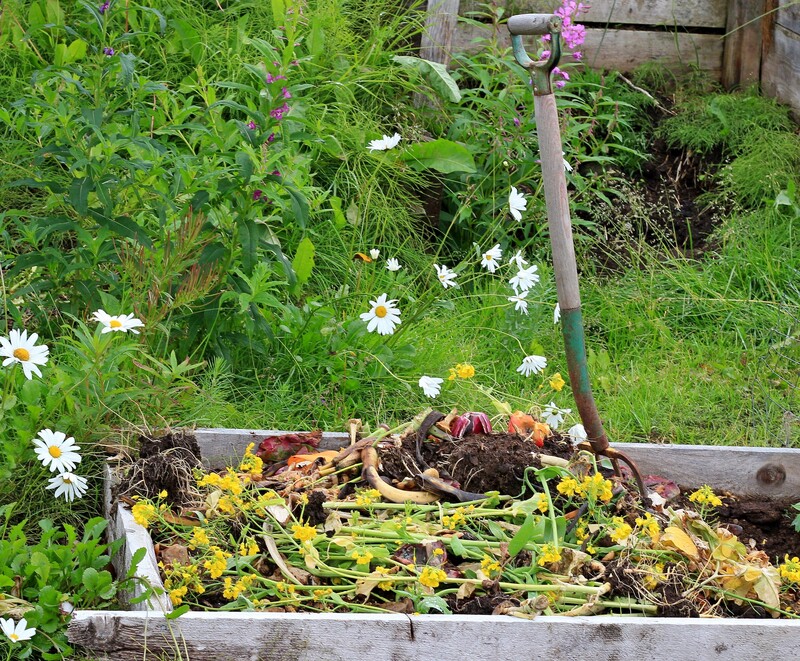
- Explore community gardens that use compost made from recycled food scraps.
These activities help make recycling relatable and memorable. The goal is not only to inform but to inspire lifelong environmental responsibility.
The Do's and Don'ts of Recycling for Kids
Learning what can and can't be recycled is part of responsible recycling. Here's a simple kid-friendly breakdown:
What You CAN Recycle:
- Paper: Newspapers, magazines, office paper, cardboard boxes.
- Plastics: Water bottles, milk jugs, some food containers (look for the recycling symbol).
- Glass: Jars, bottles (rinse them first!).
- Metal: Aluminum cans (soda cans), tin cans (soup cans).
What You CAN'T Recycle (in most places):
- Plastic bags (take these to special collection bins)
- Pizza boxes with too much grease or food residue
- Toys made of mixed materials (plastic + metal glued together)
- Light bulbs, batteries, and electronics (these need special recycling!)
- Food scraps (compost instead!)
When in doubt, check with your local recycling program! Every city or town might have slightly different rules, so it's always smart to double-check what your neighborhood accepts.
Tips for Parents and Teachers: Teaching Kids to Recycle at Home and School
- Lead by example. Kids follow what they see. Don't just talk about recycling--actively sort your own trash and recyclables.
- Explain why it matters. Talk about how recycling saves trees and keeps the ocean clean for dolphins and sea turtles.
- Encourage questions and curiosity. If your child spots the recycling symbol, ask them what it means or play "find the recycling bin" when visiting new places.
- Reward positive behavior. Stickers, charts, and special eco-friendly surprises go a long way.
- Integrate recycling topics into reading, games, and science projects.
- Host family or class recycling challenges! Set weekly goals together and celebrate your progress.
Making Recycling a Habit
Habits are formed through repetition and encouragement. By making recycling part of your daily routine--just like brushing teeth or tidying up--kids will start to view eco-friendly behaviors as a normal part of life.
Frequently Asked Questions: Kid-Friendly Answers About Recycling
Why do we need to recycle?
When we recycle, we save precious resources like trees, water, and energy. Recycling keeps harmful trash out of landfills and our natural world, protecting animals and plants.
What happens if we don't recycle?
Trash that isn't recycled usually ends up in landfills or the ocean, where it can hurt wildlife and pollute the planet. By recycling, you're helping to protect the Earth for everyone!
Can all plastics be recycled?
Not all plastics are accepted in every recycling program. Check the numbers on the bottom of the container and follow local guidelines. When in doubt, ask an adult or look it up together.
Why do we have to rinse containers before recycling?
Food or drink left in containers can spoil other recyclables and make the recycling process harder. A quick rinse helps keep everything clean and ready for transformation!
Advanced Recycling Concepts For Older Kids
Understanding the Recycling Process
Older children may want to know what happens after the truck collects your recyclables. Here's a basic outline:
- Sorting: Recyclables are sorted by type: paper, plastic, glass, and metal.
- Cleaning: Items are cleaned and any non-recyclable materials are removed.
- Processing: Each material is prepared (crushed, shredded, melted) for re-use.
- Manufacturing: Clean materials are made into new products--paper into notebooks, plastic bottles into T-shirts, glass into new jars.
- Buying recycled products: The cycle is complete when we purchase items made from recycled materials!
The Circular Economy
The idea of the circular economy is to keep materials moving in a loop, reducing waste and using resources wisely--a great topic for older kids and teens.
Fun Facts About Recycling for Kids
- One recycled aluminum can saves enough energy to run a TV for three hours!
- Recycling one ton of paper saves 17 trees and over 7,000 gallons of water.
- Plastic bottles can be turned into clothes, furniture, and even playground equipment.
- Glass can be recycled an infinite number of times without losing quality.
- Composting food scraps turns trash into super-soil for growing new plants.
Resources for Further Learning
There are many books, websites, and games focused on teaching kids about recycling:
- "The Adventures of a Plastic Bottle" by Alison Inches
- Recycling games and activities on the National Geographic Kids website
- Local library books about the environment and recycling
- Documentaries such as "The Story of Stuff" (for older children with adult guidance)
Conclusion: Raising a Generation of Earth Heroes
By crafting a kid-friendly guide to recycling, you are empowering children — and their families — to take meaningful action for a healthier planet. Every small step, from rinsing jars to upcycling craft projects, makes a difference.
Instill a sense of wonder, creativity, and responsibility as you help the next generation embrace eco-friendly habits. Remember: Recycling is not just a chore – it's a way to be a superhero for the Earth!
Now, grab your favorite recycling bin and start your family adventure toward a cleaner, greener world. Your actions today shape tomorrow’s Earth!